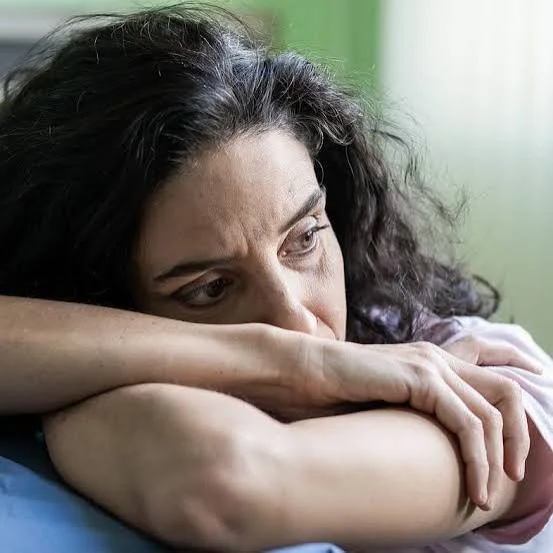
Hormonal Depression in the Menopausal Transition
During perimenopause, when hormones fluctuate wildly and unpredictably, moods can shift dramatically and without warning. A woman may be filled with peace, one moment, only to come crashing down the next.
We know that women are at risk of depression throughout their reproductive lives: from PMS and PMDD before periods, to perinatal and postnatal depression, to perimenopause and postmenopause.
Symptoms that women can experience include lethargy, crying, isolation, fear, and suicidal thoughts. Some women, in the menopausal transition, can be plagued by psychotic thinking, which is truly scary, for it feels as though your mind has been taken over by an alien force, and you no longer recognize who you are.
I suffered tremendously with depression in perimenopause, but no matter how awful I felt, how hopeless, how despondent, how certain I was that I would be forever trapped in a darkness that I couldn’t wrestle my way out of, the darkness always lifted. I always found myself again, often when I never believed that I ever could.
What Can You Do to Help Yourself When Depression Descends?
Reach out for support: this is critical. You need to understand that you are not alone.
Engage in healing activities: gardening, meditating, nature walks, massages, hugs.
Be compassionate and gentle with yourself.
Keep a diary of your good days, hours and moments: they are reminders that you have the capacity to be well.
Be honest about your experience with loved ones and let them help you.
Keep a structure and routine to your life, as best you can.
Seek out treatments that you believe could help you.
Always remind yourself that you will be well, and you will
You don’t have to feel alone during this phase, feel free to reach out and book your 15 minute complimentary call or Zoom appointment with Bev.